
Why luck matters in the world of casinos
The Nature of Luck in Casinos
Luck plays a pivotal role in the casino landscape, often determining both the experiences and outcomes for players. While skill and strategy can enhance a player’s chances, luck is the unpredictable element that can turn the tide in any game. This element of chance is particularly evident in games like slots, where players have no control over the outcome, and results are purely based on random number generators. Many players enjoy the excitement of playing at an instant withdrawal casino australia for the thrill of not knowing what will happen next, which is a significant part of the allure for many casino enthusiasts.
Various games exhibit different levels of reliance on luck. For instance, table games like poker involve a mix of skill and luck, where players must rely on both their strategic thinking and the cards they are dealt. In contrast, games like roulette and craps lean heavily on luck, making them appealing to those who prefer less strategy and more chance. Understanding how luck influences these games can help players manage their expectations and approach gaming with a balanced mindset.
An essential aspect of luck in casinos is its psychological impact on players. The belief in luck can affect how individuals approach gambling, often leading them to make bolder bets or take risks they might otherwise avoid. This ‘lucky streak’ mentality can create exhilarating moments but also lead to losses if players overestimate their lucky fortunes. Therefore, while luck is an undeniable factor, it’s crucial for players to recognize its dual nature, embracing both the excitement it brings and the caution it necessitates.
The Role of Probability and Randomness
The concept of probability underlies the games in casinos, intertwining with luck to create a unique gambling experience. Each game is designed with specific odds that determine the likelihood of a player winning. For example, in a game of blackjack, the house edge can be minimized by employing optimal strategies; however, even the best strategies can be foiled by luck in the draw of cards. This highlights that while players can influence outcomes, they cannot escape the randomness inherent in each game.
Randomness ensures that no two gaming experiences are the same. It generates the unpredictability that draws players back to casinos time and again. Slot machines, with their myriad themes and various pay lines, operate on random algorithms that provide completely independent results with each spin. This random nature enhances the excitement and thrill that comes with every play, reinforcing the idea that luck can change in an instant.
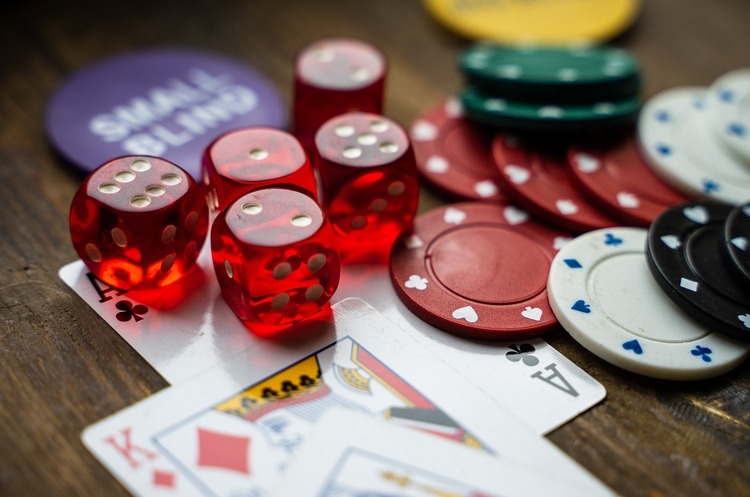
Moreover, understanding these probabilities allows players to appreciate the game more deeply. While luck may be a significant component, recognizing how it interacts with the odds can inform better decision-making. Knowledge of the house edge, payout percentages, and the randomness of each game can empower players to make more informed bets, turning what is often seen as a purely luck-based endeavor into a more strategic experience.
Luck and Player Behavior
Player behavior is intricately linked to the perception of luck in casinos. Many gamblers develop superstitions and rituals that they believe can influence their luck at the tables. Whether it’s wearing a lucky charm, following a specific routine, or avoiding certain bets, these behaviors are often rooted in the hope of improving fortune. This psychological aspect can enhance the overall experience, making gambling feel more personal and invested.
Furthermore, the social aspect of casinos amplifies the influence of luck on player behavior. Interactions with other players and the shared atmosphere of excitement can create a sense of camaraderie, leading to collective beliefs about luck. For instance, players may rally around a single table, cheering for a player’s winning streak, lending an air of shared luck that enriches the gaming experience. This communal aspect can foster a sense of belonging and enhance the thrill of unpredictability inherent in gambling.
However, the reliance on luck can have negative implications for certain individuals. It can lead to problematic gambling behaviors, where players chase losses or develop an unyielding belief in their lucky capabilities. Understanding the thin line between playful superstition and harmful behavior is vital for maintaining a healthy approach to gambling. Casinos often implement responsible gaming measures to help players navigate their relationships with luck and gambling habits.
Luck as Entertainment
Luck transforms gambling into an entertainment spectacle that captivates millions around the world. The anticipation of a lucky outcome is what draws players to casinos, whether they are seasoned gamblers or first-timers. The excitement surrounding the possibility of winning big creates a high-energy environment, where each spin of the wheel or flip of a card can lead to life-changing fortunes. This aspect of chance adds layers of enjoyment that go beyond the mathematical probabilities of winning.

Moreover, the thrill associated with luck can make for memorable experiences. Players often recount stories of their biggest wins or near misses, which serve as poignant reminders of the unpredictable nature of casino games. These narratives contribute to the lore of gambling, where tales of lucky breaks become part of the social fabric of the casino community. This storytelling aspect ensures that luck, while ephemeral, remains a lasting impression for those who partake in it.
The role of luck also extends to entertainment beyond traditional gambling. Many casinos incorporate shows, dining, and nightlife into their offerings, providing a well-rounded experience for visitors. The possibility of winning enhances the fun, but the overall environment is designed to keep guests engaged and entertained, showcasing that luck is just one piece of the broader casino experience. It’s this blend of chance and enjoyment that keeps players coming back for more, always in search of that next stroke of luck.
Conclusion: The Balance of Luck and Strategy
In the vast world of casinos, luck is a compelling force that shapes player experiences, outcomes, and overall enjoyment. While skill and strategy undoubtedly play a role, the capricious nature of luck often dictates the game. This combination of elements creates a dynamic environment where every player’s experience is unique, marked by the unpredictable swings of fortune. Embracing luck can be liberating, allowing players to immerse themselves fully in the excitement of the games.
The delicate balance between luck and strategy is essential for any casino enthusiast. Understanding how probability, randomness, and player behavior interact can elevate a player’s approach, creating a more enriching experience. As they navigate the twists and turns of chance, players should remain mindful of their gambling habits, ensuring that their pursuit of luck remains fun and engaging rather than detrimental.
For those looking to further explore the thrilling world of casinos, many resources are available that delve into the intricacies of luck and strategy. Engaging with communities of fellow enthusiasts can enhance understanding and enjoyment, promoting a responsible yet exhilarating gaming experience. After all, in the face of chance, the primary objective should always be to have fun and enjoy the ride.
